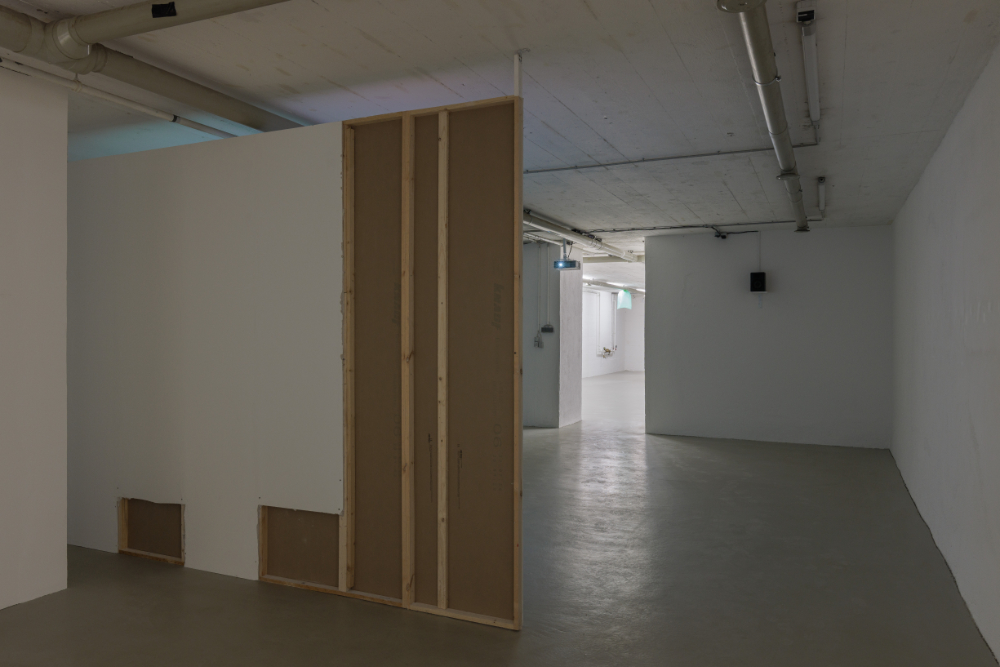
Führung durch die Ausstellung mit Silja Beck
6. Dezember 2026, Start 16:30 Uhr
In order to perceive two things as separate, we have to first relate them to each other in our consciousness. And the reverse: to understand two things as related, we have to first isolate them from one another.[1] Waking up one morning in a hotel room in Nürnberg, I kept coming back to this idea as I was piecing together my dream from the preceding night.
The world I inhabit is ancient, covered in a yellow-tinted light. I am part of a medieval work crew, condemned to digging the moat around the walled city. There is heavy breathing all around me, and mud sucking under my boots. High above the walls of this grave, a group of charcoal burners passes by. Grim, pipe-smoking Franconian men with floppy hats bobbing up and down. Speaking to each other under their breath in the dying light. I am a foreigner here and do not understand their language. Every limb of my body is aching and my hands are bleeding. I hear spitting and cursing between every other shovelful of dirt.
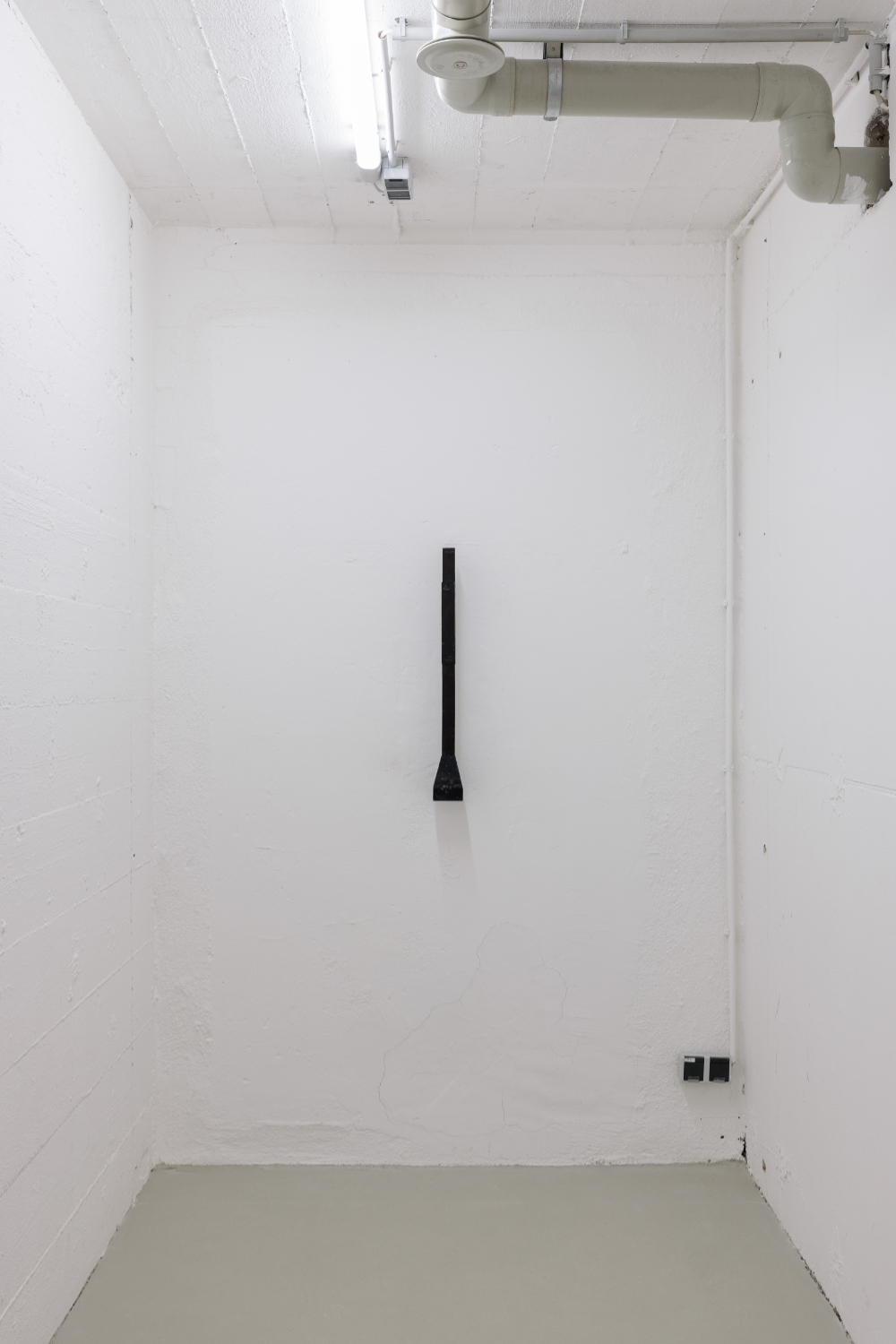
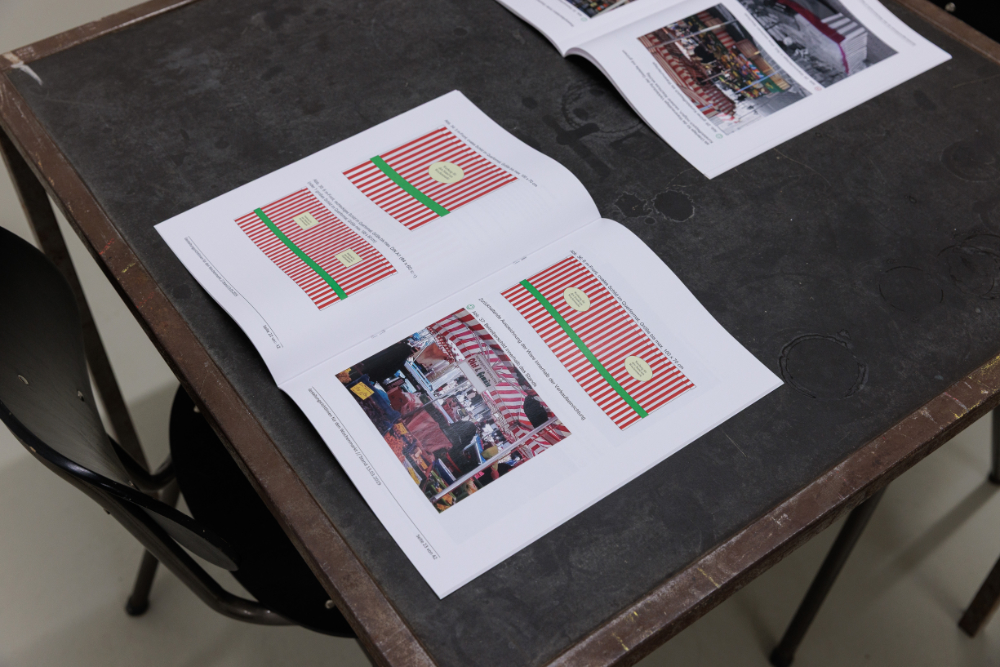
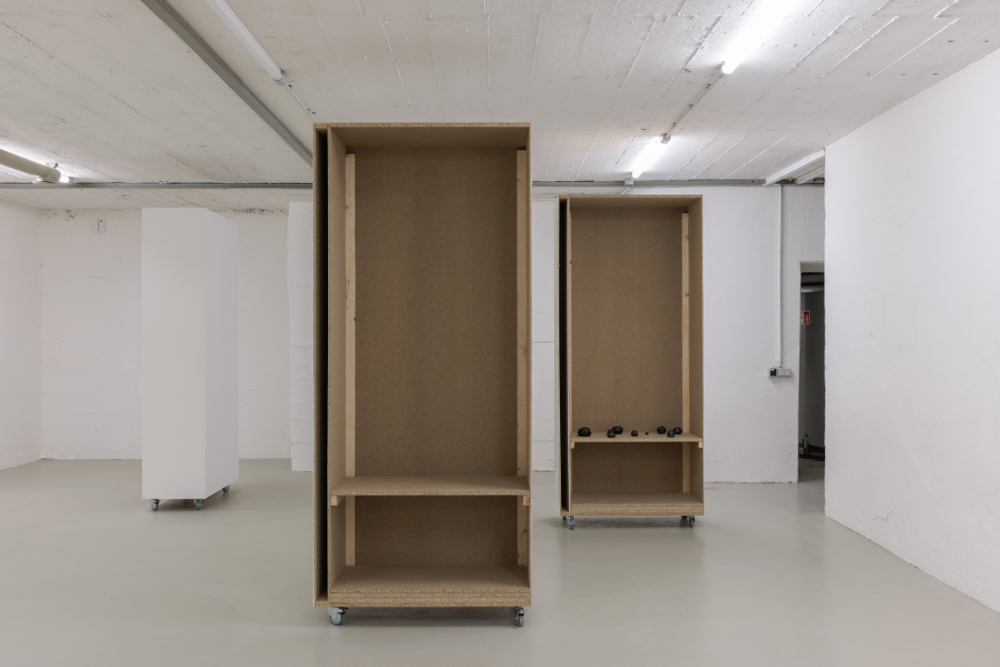
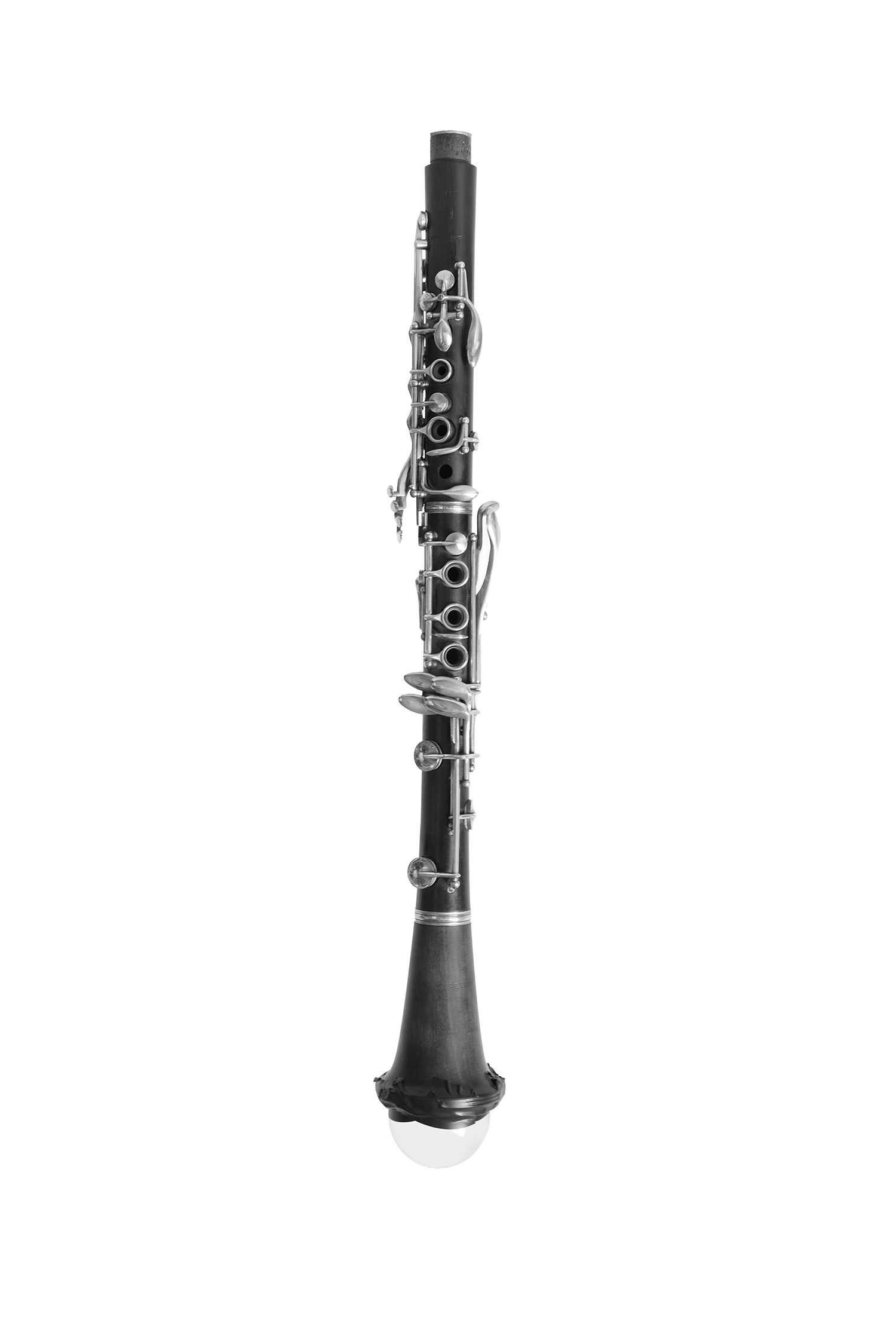
New day and I am walking through the market square, browsing the stalls draped in red and white banners. I recognize one of the vendors as someone I have been summoned to meet, and I pick up a musical instrument from him. He makes me understand that the instrument is a key to the city, both symbolic and real. A rough wooden block in my hand, the instrument is yet to be carved into its true form. I am carrying a novel by E. Jünger, and its loose pages are blowing in the wind as I walk, while other marketgoers disapprovingly look on. The novel is a distraction, but its mere existence tells me that the difference between war and peace has largely been effaced in this society.[2]
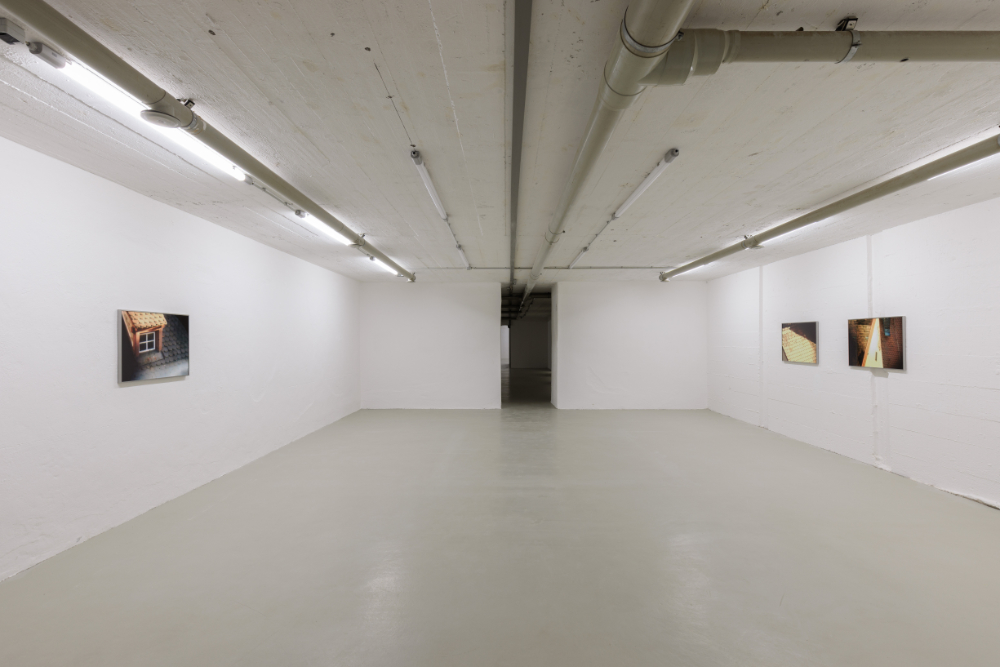
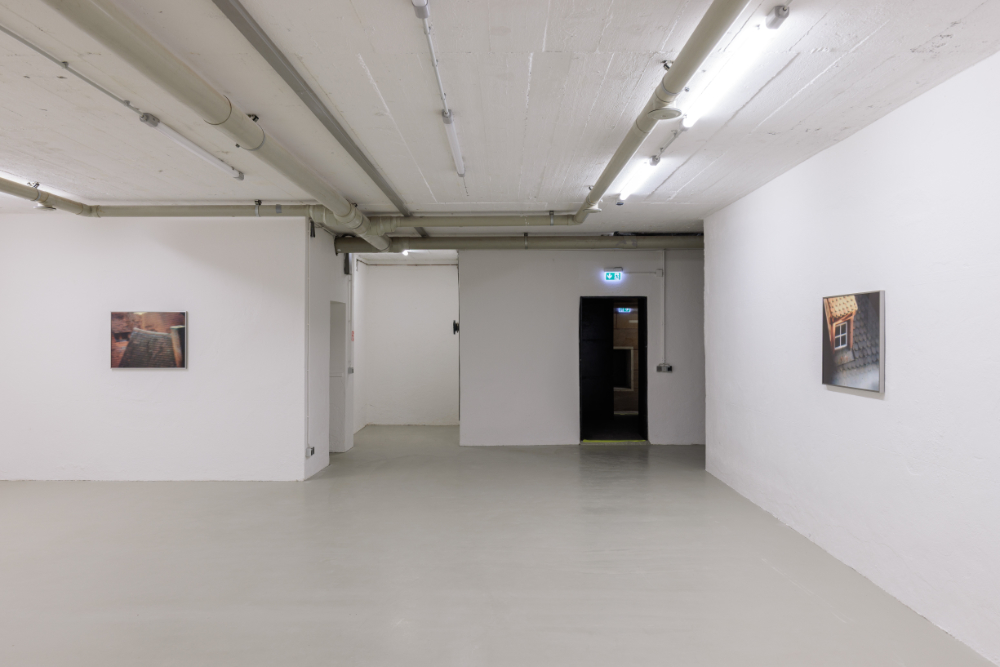
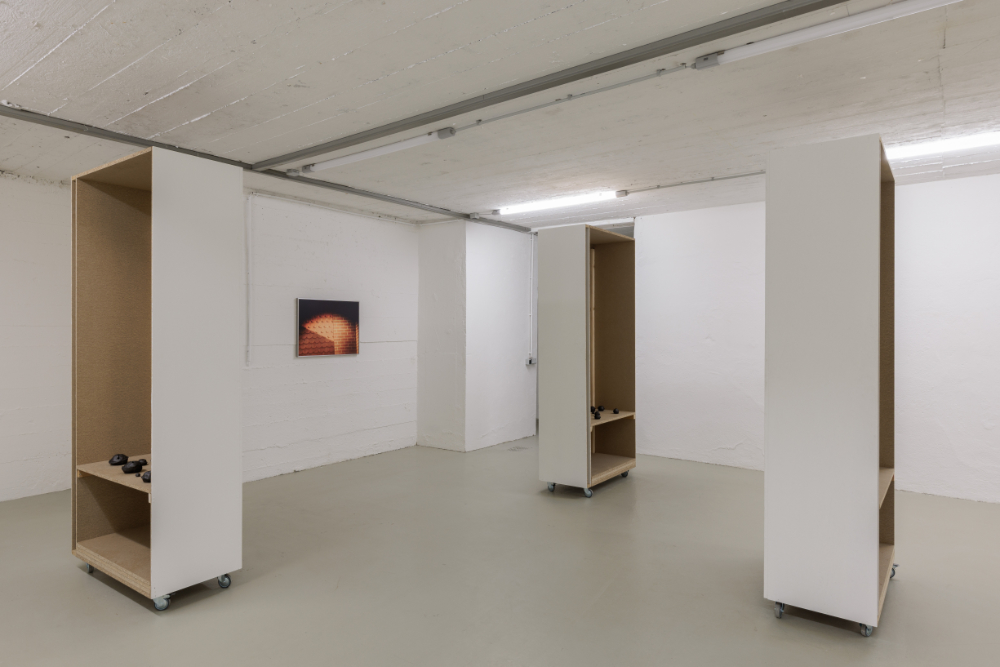
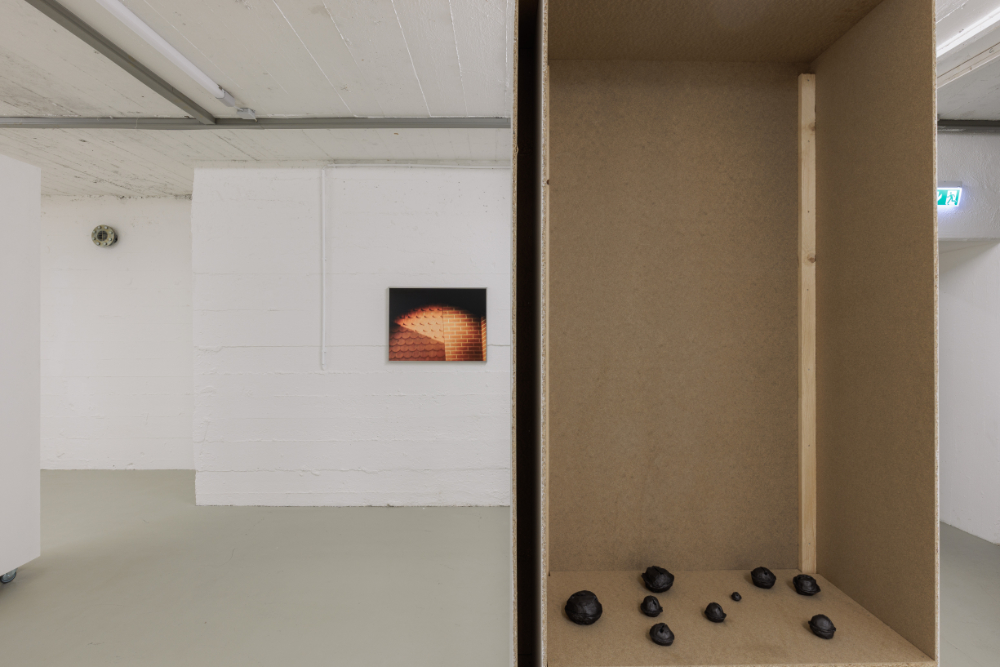
Standing on the bridge beside the city gates. The bridge represents the spreading of our will through space, mankind’s overcoming of the separation of things: joining the banks of the river, spanning the moat.[3] Below, I see the men digging without me. I occupy the point of view of an insect, hovering above, unbeknownst to them. My vision is curved, the image indefinitely emerging. It is not exactly the act of looking, but rather a continuous production of a perspective.[4] And for every work crew in the city, there is someone like me, observing the work being carried out: the laying of beavertail roof tiles, the interlocking of bricks.
I am at the stone steps of the Reichsparteitagsgelände, watching the colored lights of the fairground. I hear distant bells ringing. They belong to the allegorical Narrenschiff residing in the square. The ship of fools moves along a temporal axis, retaining the different layers of time through which it passes. An allegorical mirror reveals something about the observer, it sets us on the path to discovering the true image of ourselves. A literal mirror establishes a relation between two isolated things, two separate strands of reality.
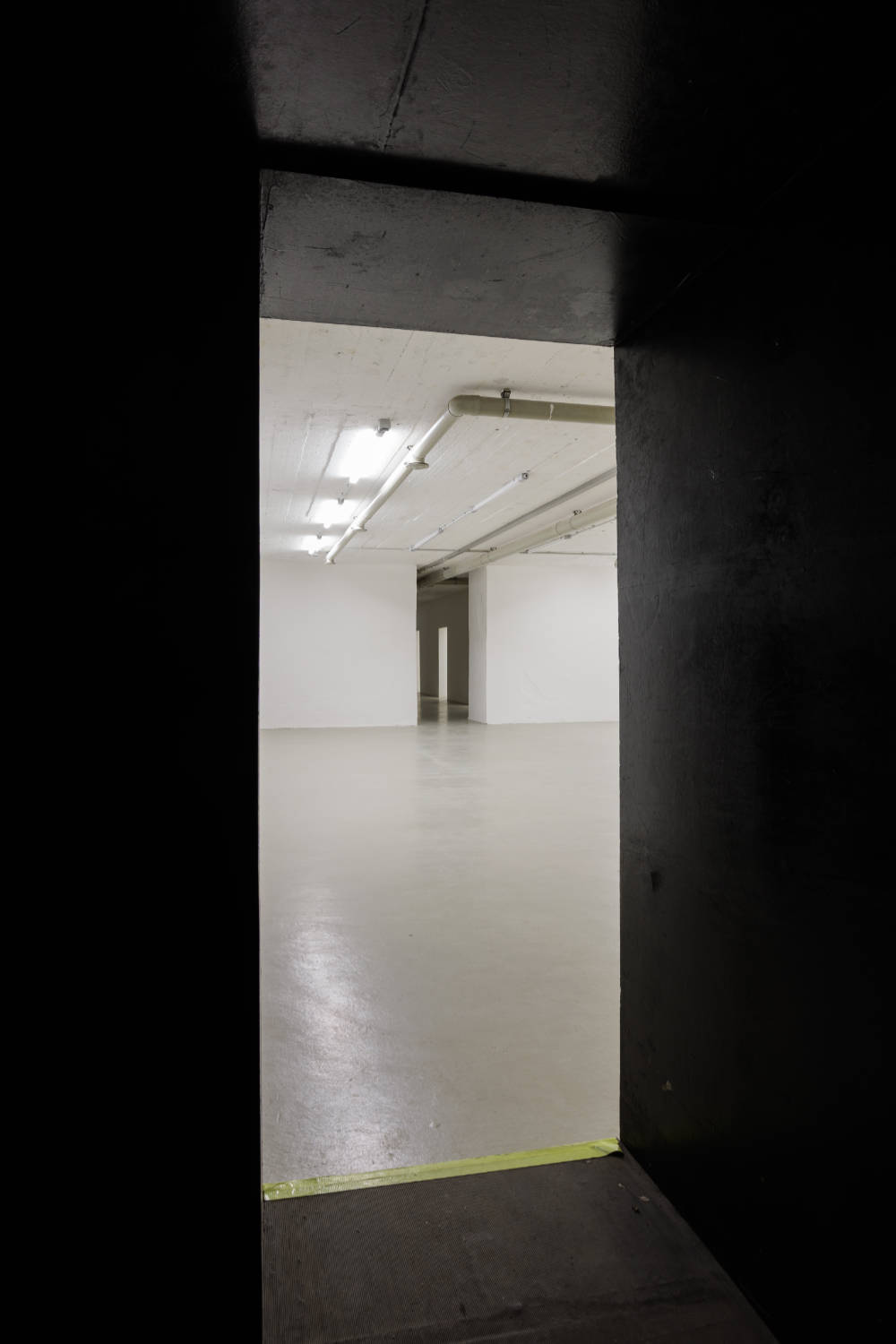
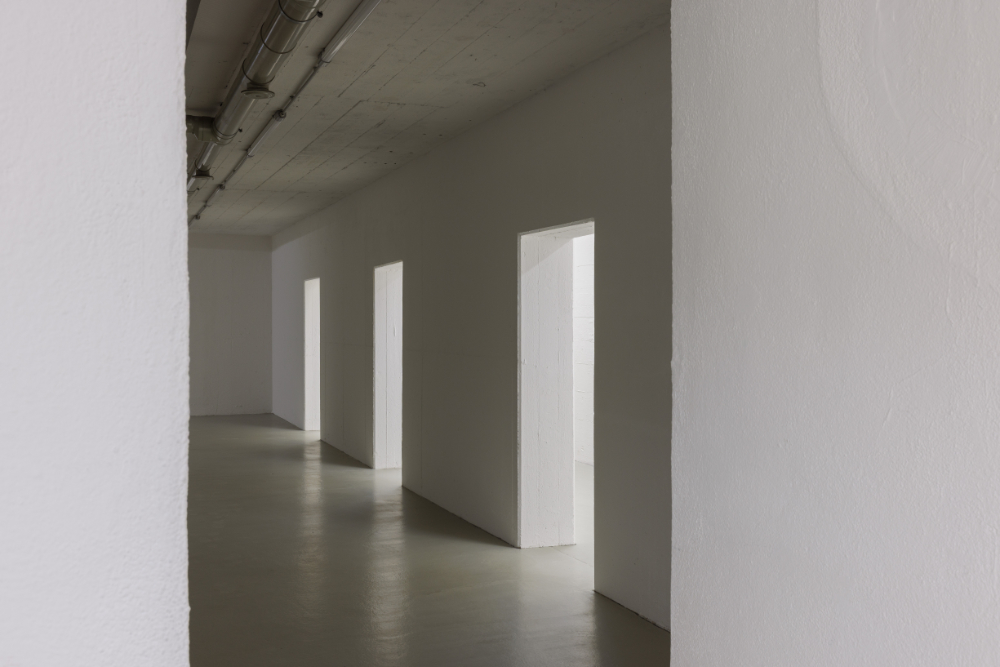
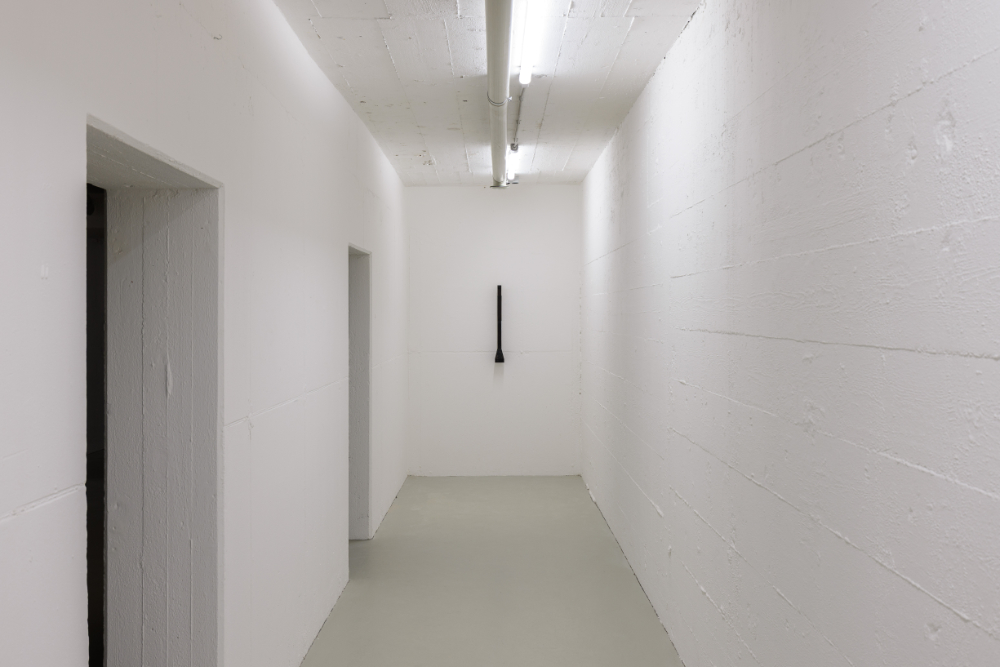
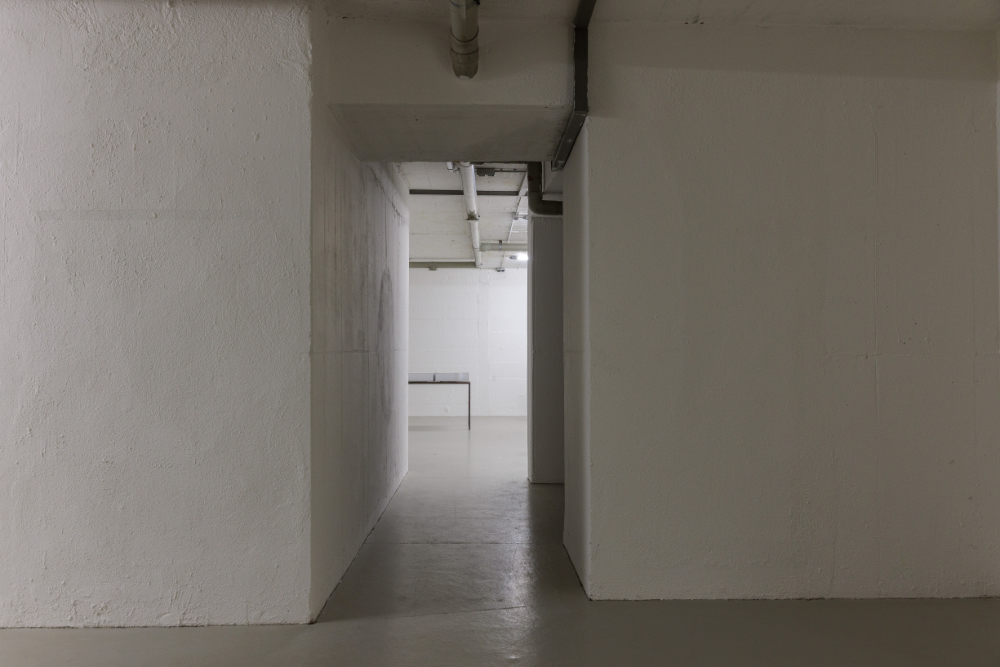
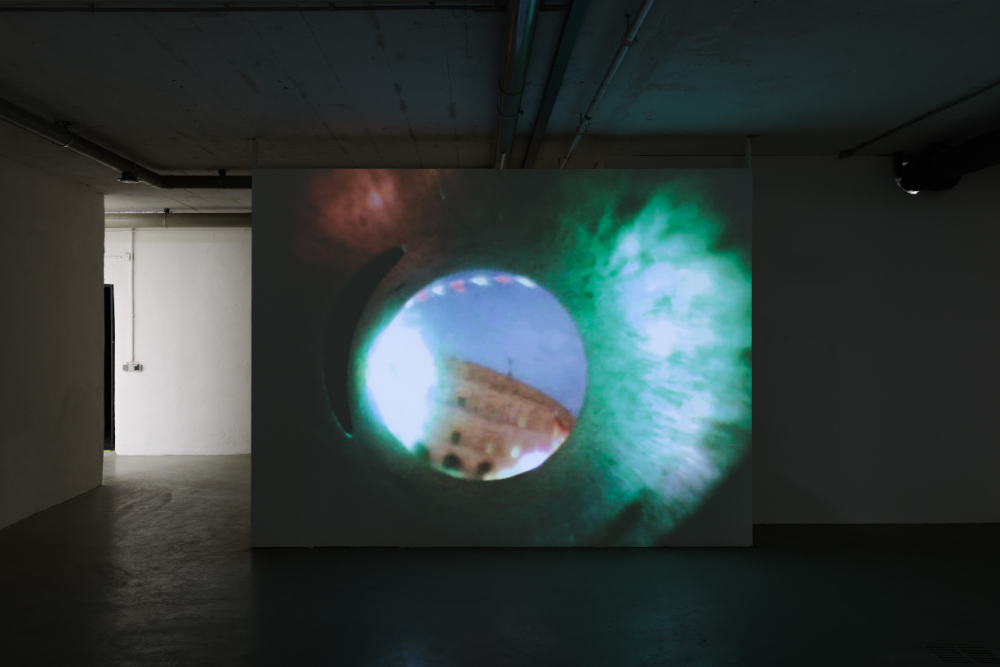
The sound of shovels hitting dirt and rocks. Bells ringing. I wake up in a cold sweat. I get up and look through the peephole. An empty corridor, curved by the strange perspective and illuminated by the same yellow-tinted light from the dream. Like a mirror. A placeless place where I might appear but where I cannot be. From here, I see myself as absent.[5]
Erik Lavesson
[1] “Indem wir aus der ungestörten Lagerung der natürlichen Dinge zwei herausgreifen, um sie als
»getrennt« zu bezeichnen, haben wir sie schon in unserem Bewusstsein aufeinander bezogen, haben
diese beiden gemeinsam gegen das Dazwischenliegende abgehoben. Und umgekehrt: als verbunden
empfinden wir nur, was wir erst irgendwie gegeneinander isoliert haben, die Dinge müssen erst
außereinander sein, um miteinander zu sein.” Brücke und Tür, Georg Simmel. Feuilleton piece in
Der Tag: Moderne illustrierte Zeitung, September 15, 1909.
[2] The unnamed book is Ernst Jünger’s dystopian science-fiction novel Gläserne Bienen (1957),
narrated in first person perspective by the unemployed former cavalry officer Captain Richard.
Captain Richard goes to a job interview at the advanced robotics company Zapparoni Works. While
waiting in the garden to meet the powerful tech industrialist Giacomo Zapparoni, he finds himself
observing artificial bees through binoculars.
[3] “(…) die Ausbreitung unserer Willenssphäre über den Raum.” Brücke und Tür, Georg Simmel.
[4] “Telescopage der Vergangenheit durch die Gegenwart.” Das Passagen-Werk, Walter Benjamin.
Erkenntnistheorie, [N7a, 3], p. 676.
[5] “The mirror is, after all, a utopia, since it is a placeless place. In the mirror, I see myself there
where I am not, in an unreal, virtual space that opens up behind the surface; I am over there, there
where I am not, a sort of shadow that gives my own visibility to myself, that enables me to see
myself there where I am absent: such is the utopia of the mirror. But it is also a heterotopia in so
far as the mirror does exist in reality, where it exerts a sort of counteraction on the position that I
occupy.” Des espaces autres. Hétérotopies., Michel Foucault, 1967. Translated from the French by
Jay Miskowiec.
Invited and hosted by Silja Beck.
A heartfelt thank you goes to the entire kunstbunker-team and everyone who contributed to this project.
Supported by the Swedish Arts Grants Committee and the Danish Arts Foundation.
Photos: Lukas Pürmayr